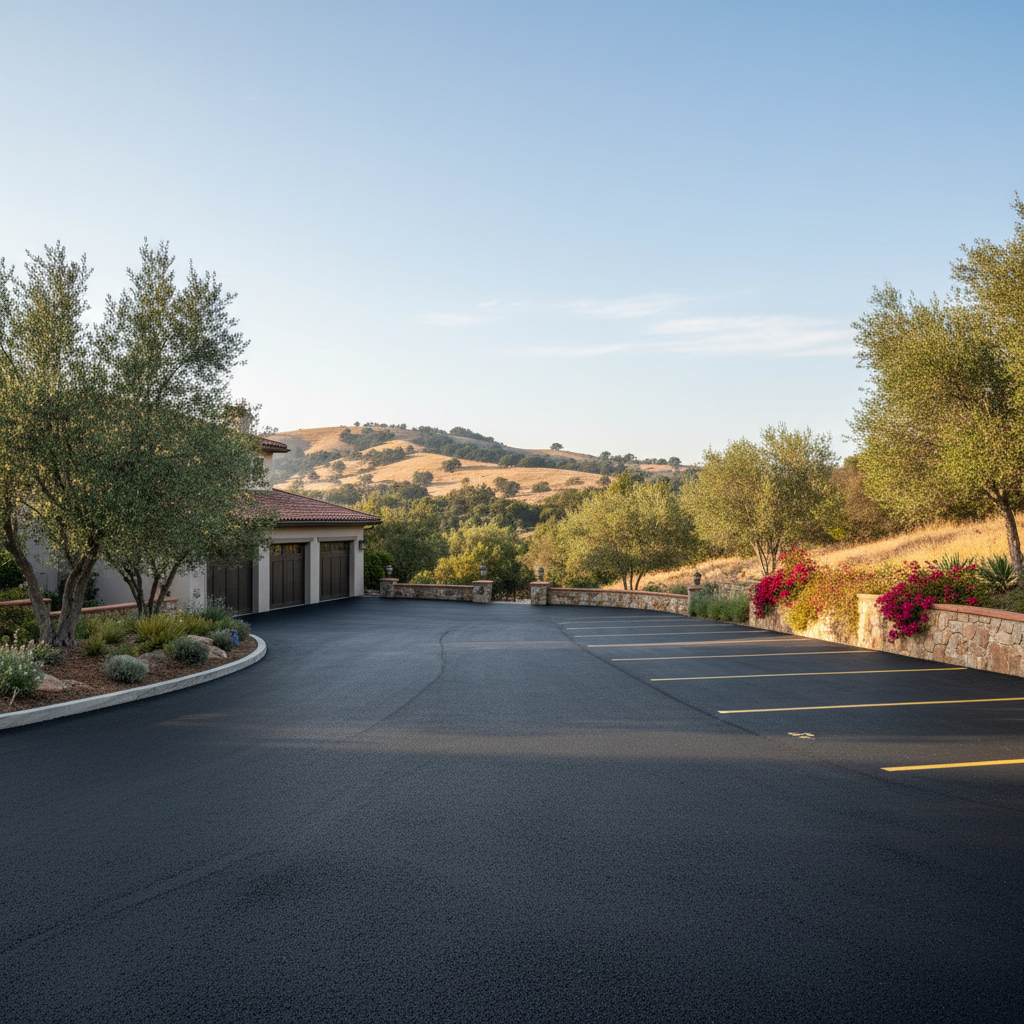
Thinking about repaving or installing a new parking lot for your Los Altos business? That's a smart move. A well-maintained parking area isn't just about aesthetics; it's about safety, accessibility, and making a good first impression. But here's the thing: timing is absolutely crucial when it comes to asphalt paving, especially with our unique Bay Area climate.
When's the Best Time to Pave in Los Altos?
You've probably noticed our weather patterns here. We get those long, dry summers, followed by distinct rainy seasons. For asphalt, dry and warm conditions are ideal. That means our prime paving window typically runs from late spring through early fall. Think May, June, July, August, September, and even into October if we're lucky and the rains hold off.
Why is this window so important? Asphalt needs to cure properly. When it's too cold, the asphalt mix cools down too fast, making it harder to compact correctly. You end up with a less dense, more brittle surface that won't stand up to traffic and weather as well. When it's too wet, water can get trapped in the base layers or interfere with the asphalt's adhesion, leading to premature cracking and potholes. We've seen plenty of projects rushed in November that just don't hold up like the ones done in August.
Weather Conditions That Affect Paving
Beyond just the season, specific weather conditions play a huge role. Here's what we're looking for:
- Dry Conditions: This is non-negotiable. The ground needs to be dry, the base material needs to be dry, and it shouldn't be raining during installation. Even a light drizzle can compromise the bond.
- Warm Temperatures: Ideally, we want air temperatures consistently above 50°F (10°C) and rising. The warmer it is, the longer the asphalt stays pliable, allowing for better compaction and a smoother finish. Below that, the asphalt cools too quickly, and you just can't get the same quality.
- Low Humidity: While not as critical as temperature or rain, very high humidity can sometimes slow down the curing process of certain sealants or coatings you might apply afterward.
Our Los Altos hillsides, for example, can sometimes hold onto moisture a bit longer after a rain, so we always do a thorough site assessment before we even think about bringing out the equipment. You don't want to pave over a damp subgrade; that's a recipe for disaster down the road.
Protecting Your Parking Lot Investment Year-Round
Getting your parking lot paved at the right time is just the first step. To make sure it lasts, you've got to protect that investment. Here's how:
- Regular Sweeping and Cleaning: Debris, dirt, and leaves can trap moisture and accelerate deterioration. Keep it clean.
- Prompt Crack Sealing: This is huge. Even small cracks let water seep into the sub-base, which is asphalt's worst enemy. Water expands when it freezes (though that's rare here) and weakens the foundation. Seal those cracks as soon as you see them. It's a small expense now that saves you big money later.
- Sealcoating: Think of sealcoating as sunscreen for your asphalt. It protects against UV rays, oxidation, and spills from oil and gas. We recommend sealcoating every 2-3 years, depending on traffic volume. It dramatically extends the life of your pavement.
- Drainage Maintenance: Make sure your drains and catch basins are clear and functioning. Standing water on your asphalt is never a good thing. It softens the surface and leads to premature breakdown.
- Address Oil and Gas Spills Immediately: These chemicals break down the asphalt binder. Clean them up quickly to prevent permanent damage.
We're not just about laying down asphalt at Neighborly Asphalt Inc.; we're about building relationships and ensuring your property looks great and functions perfectly for years. We've seen what works and what doesn't in Los Altos, and we're always happy to share our knowledge. If you're planning a paving project, give us a call. We'll walk you through the best timing and practices for your specific needs.