Is it better to repair cracks or just repave the whole driveway?
That's a question I get asked almost every day, and honestly, there's no single right answer without seeing the job. It really depends on the extent of the damage. If you've got a few isolated cracks, especially those smaller alligator cracks that haven't spread too much, then crack sealing and maybe a fresh sealcoat can absolutely extend the life of your driveway. It's a cost-effective way to prevent water from getting under the surface, which is the real enemy of asphalt.
However, if your driveway looks like a spiderweb of deep cracks, or if you're seeing significant potholes and areas where the asphalt is crumbling, you're probably past the point of simple repairs. At that stage, you're looking at a full repave. Trying to patch extensively damaged asphalt is often just throwing good money after bad. The underlying structure is likely compromised, and new patches won't hold up for long. We'll always give you an honest assessment at Neighborly Asphalt Inc, because we want you to have a solution that lasts, not just a quick fix.
How long does an asphalt driveway actually last in Los Altos?
A well-installed and properly maintained asphalt driveway in our area can last anywhere from 15 to 30 years. That's a pretty big range, I know, but there are a lot of factors at play. The quality of the initial installation is huge – proper base preparation, compaction, and asphalt mix are critical. Then there's maintenance. If you're sealcoating every 2-3 years and addressing cracks as they appear, you're going to get much closer to that 30-year mark.
Here in Los Altos, we don't get the extreme freezes and thaws that some other regions do, which is a plus for asphalt. But we do have those intense summer suns that can dry out the binder in the asphalt, making it brittle. Also, some of the older homes in areas like the Highlands have driveways built on expansive clay soils, which can shift and put extra stress on the pavement. Regular sealcoating helps protect against both sun damage and water intrusion from any minor shifts.
What's the deal with sealcoating? Do I really need it?
Yes, you absolutely need it if you want your asphalt to last. Think of sealcoating as sunscreen and a protective barrier for your driveway. Asphalt is made with petroleum-based binders, and over time, the sun's UV rays and oxygen break down these binders. This makes the asphalt brittle, causes it to fade, and leads to cracking. Gasoline and oil spills also degrade it.
Sealcoat replenishes those binders, restores the rich black color, and provides a fresh protective layer against the elements. It prevents water from seeping into those tiny hairline cracks you might not even notice yet, which is crucial for preventing bigger problems down the road. I recommend sealcoating every two to three years for most residential driveways. It's a relatively inexpensive maintenance step that saves you a ton of money on major repairs or replacement later on.
How long after paving can I drive on my new asphalt driveway?
This is important, and you'll want to be patient. For a brand new asphalt driveway, I generally tell homeowners to wait at least 24 to 48 hours before driving on it. The asphalt needs time to cool and harden completely. Even after that, for the first week or so, try to avoid parking heavy vehicles in the same spot for extended periods, and be careful with sharp turns of your steering wheel while the car is stationary – that can scuff or mark the fresh asphalt.
If we've just applied a fresh sealcoat, the waiting period is usually a bit shorter, but still crucial. I typically recommend waiting 24 hours, sometimes longer if it's a particularly humid or cool day. You want that sealcoat to be fully cured and dry before you put any weight on it. Walking on it sooner is usually fine, but keep vehicles off until it's completely dry to the touch.
Why do some asphalt driveways look so much better than others?
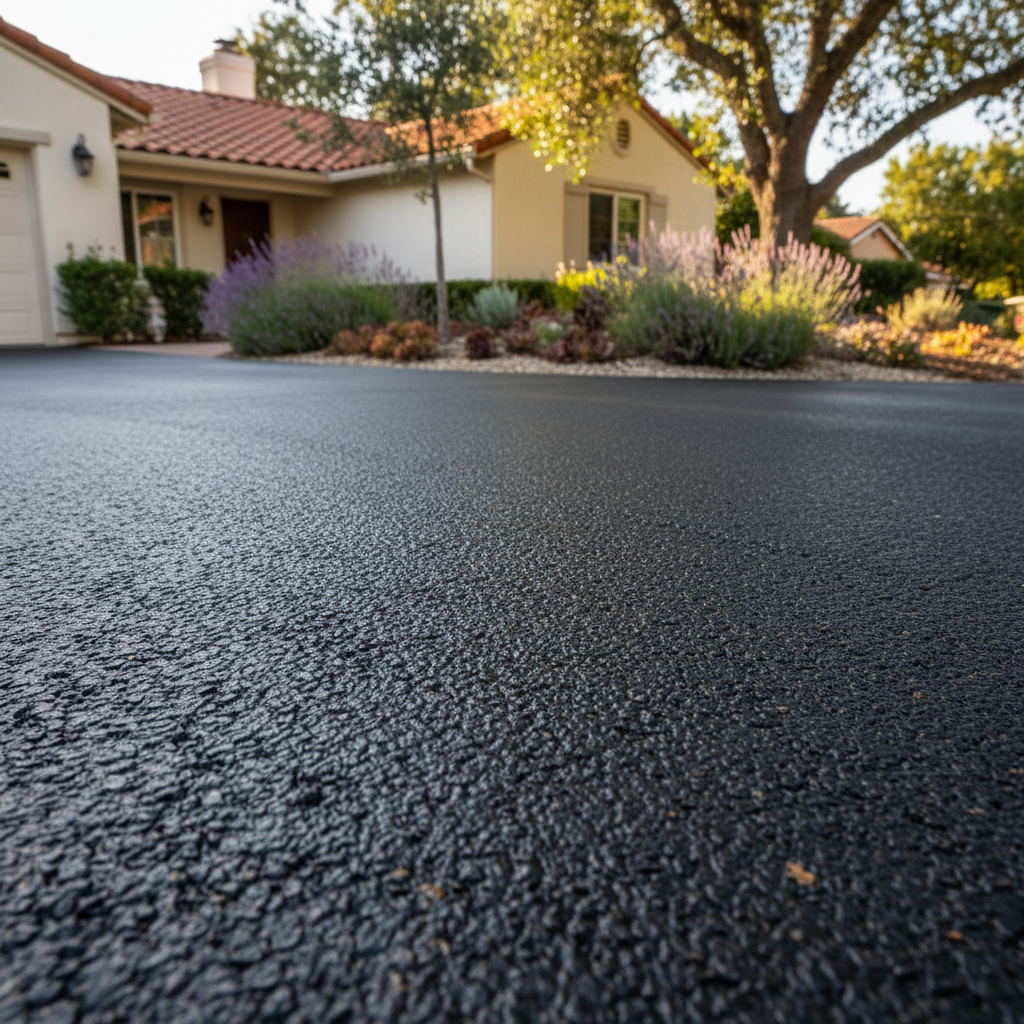
It mostly comes down to two things: the quality of the initial installation and ongoing maintenance. A good asphalt job starts with a solid, well-drained base. If the base isn't prepared correctly, no amount of top-quality asphalt will prevent it from failing prematurely. We're talking proper excavation, compaction, and drainage. Then there's the asphalt mix itself – using the right grade and applying it at the correct temperature and thickness makes a huge difference.
After installation, it's all about maintenance. The driveways that look great years later are the ones that get regular sealcoating and prompt crack repairs. Neglected driveways, on the other hand, will quickly show their age with fading, cracking, and potholes. It's like anything else; if you take care of it, it'll take care of you.
What causes potholes, and how can I prevent them?
Potholes are usually the result of water getting under the asphalt surface and weakening the base. Here's how it typically happens: you get a small crack in the asphalt, water seeps in, and then traffic drives over that spot. The weight of the vehicles pushes the water around, eroding the base material underneath. Eventually, the asphalt above that weakened area loses its support and collapses, creating a pothole.
Preventing them really boils down to good drainage and proactive maintenance. Make sure water isn't pooling on your driveway. Address any drainage issues around the edges of your driveway. And most importantly, seal those cracks as soon as they appear. Don't let them sit and grow. A small crack repair now can save you from a big pothole patch later.
How much does a new asphalt driveway cost?
That's the million-dollar question, isn't it? The truth is, there's a wide range, and it's impossible to give an accurate figure without seeing the specific project. Factors like the size of your driveway, the amount of excavation needed, the condition of the existing base (if any), and the thickness of the asphalt layer all play a big role. Material costs fluctuate too, which affects pricing.
What I can tell you is that a new asphalt driveway is a significant investment, but it adds curb appeal and functionality to your home. When we come out for an estimate, we'll measure everything, assess the site conditions, and discuss your options. We'll break down the costs clearly so you understand exactly what you're paying for. Don't just go for the cheapest bid; make sure you're comparing apples to apples in terms of scope and quality. A properly installed driveway will save you money in the long run.